
Putting on the New Self: A Spirit-Led Life

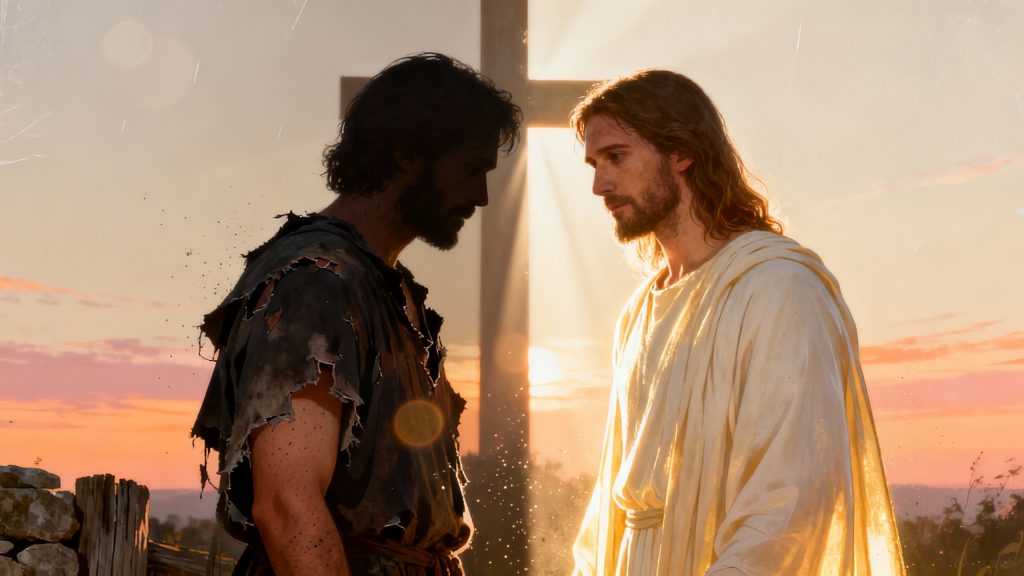
Every true work of transformation in the Christian life is a work of the Holy Spirit, not the product of sheer human willpower. The Spirit takes what Christ has accomplished for us at the cross and applies it to our hearts, renewing our minds, reshaping our desires, and slowly conforming us to the image of Jesus.
When Paul speaks of “putting on the new self” in Colossians 3:10–14, he is describing a life where the Spirit’s inner work becomes visible in our character, our relationships, and our church communities. This transformation is both personal and communal—God is renewing you individually, and at the same time knitting together a people who reflect Christ’s love and unity to a watching world.
Renewal in Knowledge
Paul says that believers “have put on the new self, which is being renewed in knowledge after the image of its creator.” The verb “being renewed” translates the Greek word ἀνακαινόω (anakainóō), which speaks of an ongoing, continual renovation—like God steadily restoring a house from the inside out.
This renewal happens “in knowledge,” but biblical knowledge is more than data or mere information; it is relational and experiential awareness of God Himself. As you grow in knowing Christ—His character, His ways, His heart—your identity is reshaped so that you increasingly reflect His image in your thoughts, words, and actions.
- Renewal in knowledge means learning to see life through God’s truth rather than worldly patterns and pressures.
- This process is progressive; the Spirit keeps working as you saturate your mind with Scripture, prayer, and obedience.
In other words, putting on the new self is not a one-time decision but a daily, Spirit-led journey of having your mind renewed so that you can discern and delight in the will of God.
The Unity of Believers
Right after describing this renewal, Paul says, “Here there is not Greek and Jew, circumcised and uncircumcised, barbarian, Scythian, slave, free, but Christ is all, and in all.” In Christ, the social and religious categories that once divided people are relativized because a deeper, truer identity now defines them—they belong to Jesus.
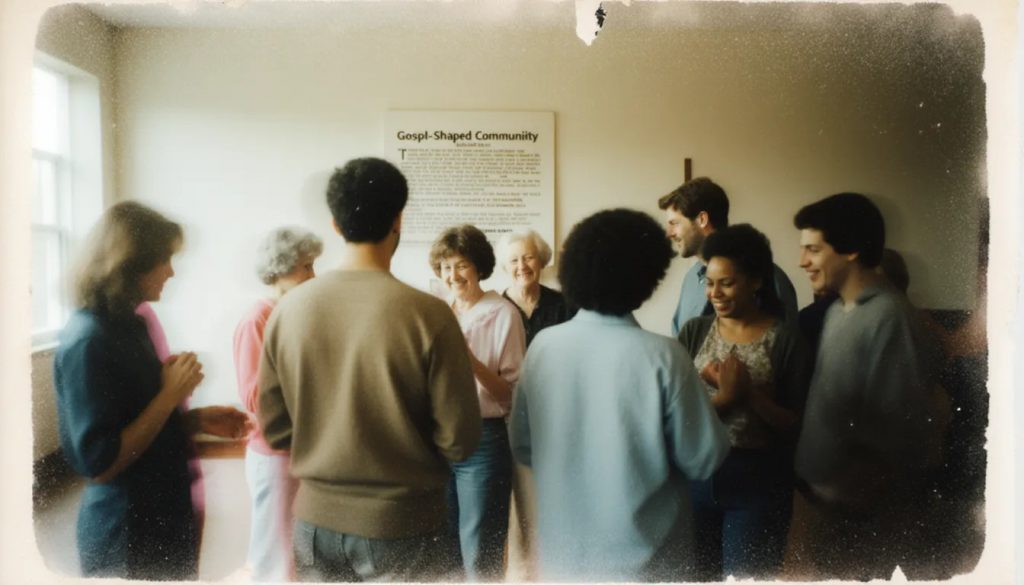
The gospel does not erase ethnicity, background, or personality; instead, it breaks the power of pride, prejudice, and hostility that often attach to those differences. The church becomes a new kind of community where people who would never naturally gather learn to love one another because Christ lives in each of them.
- Unity in Christ means relating to one another primarily as brothers and sisters, not as competitors, rivals, or strangers.
- This unity is visible when the church listens well, serves sacrificially, and celebrates God’s grace at work in diverse members of the body.
When Christ is “all, and in all,” the church becomes a living testimony that the cross has torn down dividing walls and created one new humanity in Him.
Clothing Ourselves with Godly Virtues
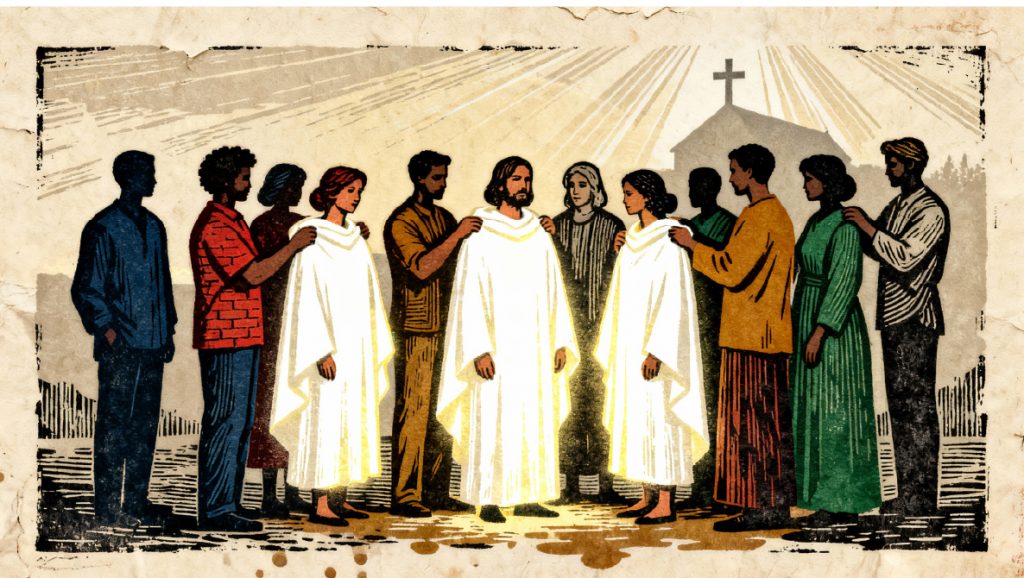
Paul then uses a rich image: “Therefore, as God’s chosen people, holy and dearly loved, clothe yourselves with compassion, kindness, humility, gentleness and patience… and over all these virtues put on love, which binds them all together in perfect unity.” The Greek verb ἐνδύω (endyō), “to clothe,” suggests a deliberate, conscious choice—like intentionally putting on a garment each day.
Before Paul lists any virtue, he reminds believers who they are: chosen, holy, and dearly loved by God. The Christian life is not about dressing up to earn God’s favor; it is about clothing yourself in Christlike character because you already belong to Him.
Here are the virtues Paul calls us to “wear” in our relationships:
- Compassion – A deep, heart-level mercy that feels the pain of others and moves toward them in care and action.
- Kindness – A posture of active goodwill that seeks the genuine good of others through words, decisions, and practical help.
- Humility – A sober, joyful awareness of who you are before God that frees you to put others ahead of yourself.
- Gentleness – Strength under control, responding to people and conflict with a soft answer and a calm spirit rather than harshness.
- Patience – A Spirit-produced endurance that bears with people’s weaknesses and failures without giving up on them.
- Forgiveness – A readiness to extend grace because you remember how generously Christ has forgiven you.
Above all, Paul says, “put on love,” because love is the binding power that holds all the virtues together and keeps the church in “perfect unity.” Love is not simply an emotion; it is a choice to seek another’s highest good in light of the cross and resurrection of Jesus.
The Beauty of a Christ-Centered Community
When renewal in knowledge, gospel-rooted unity, and Christlike virtues come together, the result is a community that looks and feels like Jesus. The church becomes a visible picture of God’s grace—imperfect, yes, but steadily being transformed by the Spirit into a people who shine with the character of Christ.
A Christ-centered community does not exist for itself; it exists as a witness to the world. As believers put on compassion, kindness, humility, gentleness, patience, forgiveness, and love, the world sees a different way of living and relating—a way that points beyond us to the Savior who makes such relationships possible.
Here are some practical ways to “put on the new self” in your daily life this week:
- Ask the Holy Spirit each morning to renew your mind and help you respond to people with Christlike character.
- Choose one relationship where you will intentionally practice compassion, kindness, and forgiveness in a tangible way.
- Consider connecting with a trusted friend or small group where you can pray together, share struggles, and encourage one another to walk in these virtues consistently.
As you do, remember that you are not alone and you are not left to your own strength. The same Spirit who raised Jesus from the dead is at work in you, renewing you in knowledge, uniting you with your brothers and sisters, and clothing you with the beautiful character of Christ.