
The Coming King: Living Between Two Advents

Hey friends, Pastor Chris here. Advent is one of those seasons that can easily get sentimental—lights, music, and nostalgia—yet biblically it is anything but tame. Advent is a season of holy tension, because it calls us to look back to Christ’s first coming in humility and forward to His second coming in glory. Jesus came once as the Lamb who takes away the sin of the world, and He will come again as the Lion of Judah who reigns and judges in perfect righteousness.
Scripture refuses to let us treat Advent as a cozy backdrop for December; it insists that Advent is a wake-up call. The same King who came in weakness will return in power. The same grace that pardons sinners also trains us to live in repentance, holiness, and watchful hope as we wait for His appearing.

The First Advent: The Lamb Who Came in Humility
The Old Testament prophets set the stage for Jesus’ first coming. Isaiah speaks of a voice crying in the wilderness, “Prepare the way of the Lord,” and the New Testament shows that this promise is fulfilled in John the Baptist as he preaches repentance and prepares hearts for Christ’s arrival. John stands outside the religious establishment, in the wilderness, calling people not to polish their reputation but to turn from their sin and be ready to meet the Lord.
When the angel announces Jesus’ birth in Luke’s Gospel, the promise is staggering: this child will be great, called the Son of the Most High, and given the throne of His father David, to reign forever. Yet His first advent is not marked by royal pomp but by a stable, swaddling cloths, and a cross-shaped mission. John the Baptist points to Him and says, “Behold, the Lamb of God, who takes away the sin of the world,” and the apostle Paul tells us that though He was in the form of God, He humbled Himself, taking the form of a servant and becoming obedient to the point of death on a cross. The King’s crown, in His first coming, is made of thorns.

The Second Advent: The Lion Who Will Come in Glory
But that is not the end of the story. The same John who preached repentance also warned that the coming One would baptize with the Holy Spirit and with fire, and that His winnowing fork is in His hand to clear His threshing floor. That language looks beyond the first advent to the day when Jesus comes not only to save but to judge and to purify. The Lamb who was slain is also the Lion who conquers.
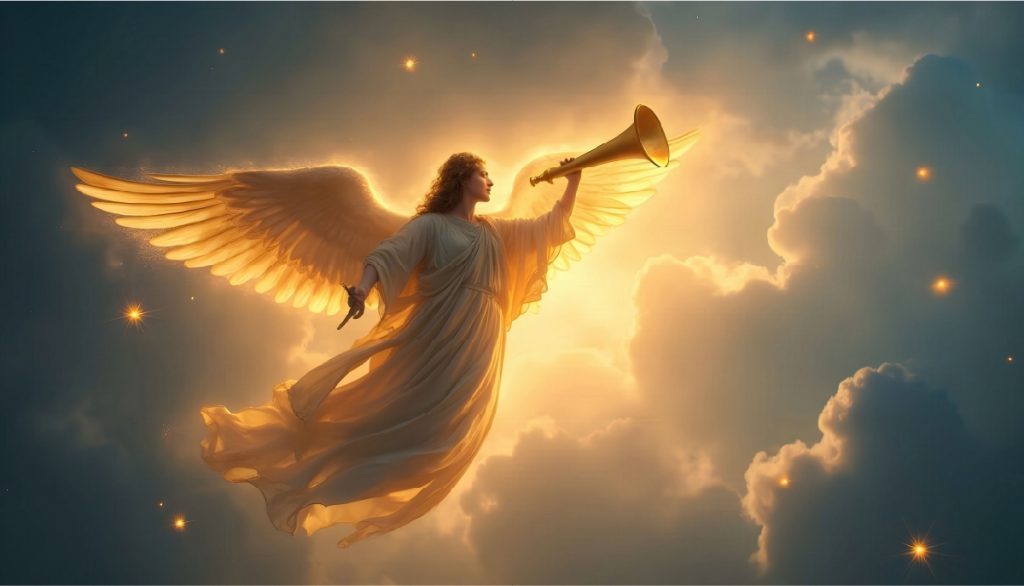
Paul picks up this future focus in 1 Thessalonians 5, reminding believers that the “day of the Lord” will come like a thief in the night. For those in darkness, that day brings sudden destruction; but for those in Christ, it is not a day to dread but a day to anticipate. We are children of light, called to be awake, sober, armed with the breastplate of faith and love and the helmet of the hope of salvation. And at the end of the Bible, the risen Christ speaks one final promise: “Surely I am coming soon.” The church’s answer is the heartbeat of Advent: “Amen. Come, Lord Jesus.”

Readiness, Repentance, and Holy Living
When you put the first and second advents together, a pattern emerges: grace never leaves us unchanged. John the Baptist calls his hearers to “bear fruit in keeping with repentance.” True turning from sin always shows up in a transformed life. Advent, then, is not just about remembering a birth; it is about examining our hearts. Are there sins we are excusing? Patterns we are tolerating? Places where we are spiritually asleep?
Paul’s call in 1 Thessalonians 5 is crystal clear: do not sleep as others do, but stay awake and sober. That means cultivating habits that line up with the reality that Jesus could return at any moment. It means walking in the Spirit, pursuing holiness, loving the church, and refusing to drift into spiritual laziness. To live in light of both advents is to let the cross humble us and the crown sober us. The Lamb shows us the depth of God’s mercy; the Lion reminds us of the certainty of His coming judgment and reign.

Living on Tiptoe: Expectancy and Mission
Advent invites us to live on tiptoe—hearts leaning forward, eyes fixed on the horizon of Christ’s return. Titus speaks of “waiting for our blessed hope, the appearing of the glory of our great God and Savior,” and Jesus Himself warns that the Son of Man is coming at an hour we do not expect. Readiness is not fear-driven panic; it is steady, obedient faith. It looks like ordinary Christians doing ordinary things with extraordinary purpose: praying, gathering, serving, giving, forgiving, and enduring because the King is coming.
And while we wait, we are not idle. Paul says in 2 Corinthians that we are ambassadors for Christ, pleading with people to be reconciled to God. If Jesus really is coming again—as Scripture promises—then the time to share the gospel is now. Advent should widen our hearts for neighbors, coworkers, and family members who do not yet know Christ. The Lamb has opened a door of mercy; the Lion will one day close it. That reality should move us to gentle urgency.

A Personal Invitation to Join Us This Sunday
If all of this stirs something in you—if you sense that Advent is meant to be deeper, weightier, and more hopeful than what the culture offers—consider this your invitation. This Sunday morning at Priceville Baptist Church, we will open God’s Word together and walk through these passages on the Coming King, looking closely at His first advent in humility and His second advent in glory.
We will talk honestly about what it means to repent, to stay spiritually awake, and to live with confidence instead of fear as we await Christ’s return. We will see how the Lamb who was slain is the same Lion who will return, and how that truth reshapes our priorities, our holiness, and our mission. If you are in or around Tupelo, Mississippi, I would love for you to join us—bring your Bible, bring a friend, and come ready to meet with the living Christ through His Word.
From my heart as your pastor: do not let this Advent season slip by as just another busy December. Come gather with us this Sunday as we fix our eyes on the Coming King and learn together how to live in the light of both advents, praying with the church of all ages, “Come, Lord Jesus.”