
Putting to Death and Putting On: The Call to Transformation

Introduction: A Call to Genuine Change
Every new year, we talk about change—new habits, new goals, new beginnings. But as Scripture reminds us, the most important transformation isn’t external; it’s internal. The Apostle Paul, writing to the believers in Colossae, urges them to live out their new identity in Christ.
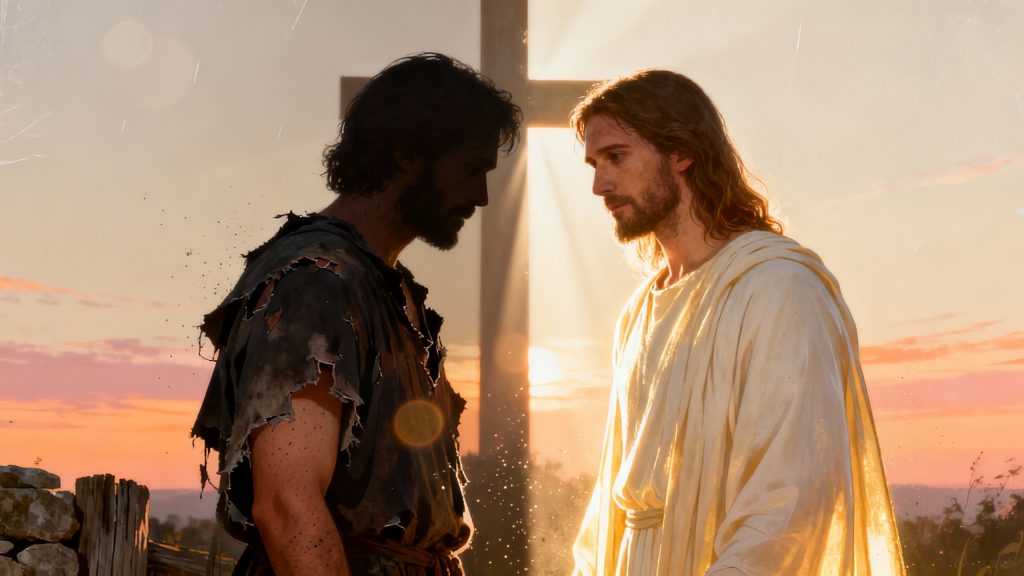
In Colossians 3:5–9, Paul describes a two-fold transformation: to put to death the old self and to put on the new self. This isn’t about cosmetic spirituality—it’s about total renewal from the inside out.
When we come to Christ, we are not just improved versions of ourselves; we are new creations. Paul says in 2 Corinthians 5:17, “Therefore, if anyone is in Christ, he is a new creation. The old has passed away; behold, the new has come.”
I. Putting to Death the Old Self
Paul begins with a bold command: “Put to death, therefore, whatever belongs to your earthly nature” (Colossians 3:5). The phrase “put to death” doesn’t suggest mild disapproval of sin. It means to actively destroy it—because if you don’t, it will destroy you.
Like a gardener uprooting weeds, we must dig deep to remove sin before it chokes out the fruit of the Spirit in our lives. This isn’t easy work; it’s spiritual warfare. Paul lists sins we often tolerate—sexual immorality, impurity, lust, evil desires, and greed (idolatry). These are expressions of misplaced worship, where our affections turn away from God toward self-gratification.
In Romans 8:13, Paul says, “If you live according to the flesh, you will die; but if by the Spirit you put to death the misdeeds of the body, you will live.” Putting sin to death is not about willpower—it’s about Spirit-power.
Reflection: What sins have you allowed to grow quietly in the corners of your heart? God calls us to bring them into the light and let His grace do the cleansing work.
II. Putting Off the Old Self
After addressing deadly desires, Paul turns to destructive behaviors. He writes, “But now you must also rid yourselves of all such things as these: anger, rage, malice, slander, and filthy language from your lips” (Colossians 3:8).
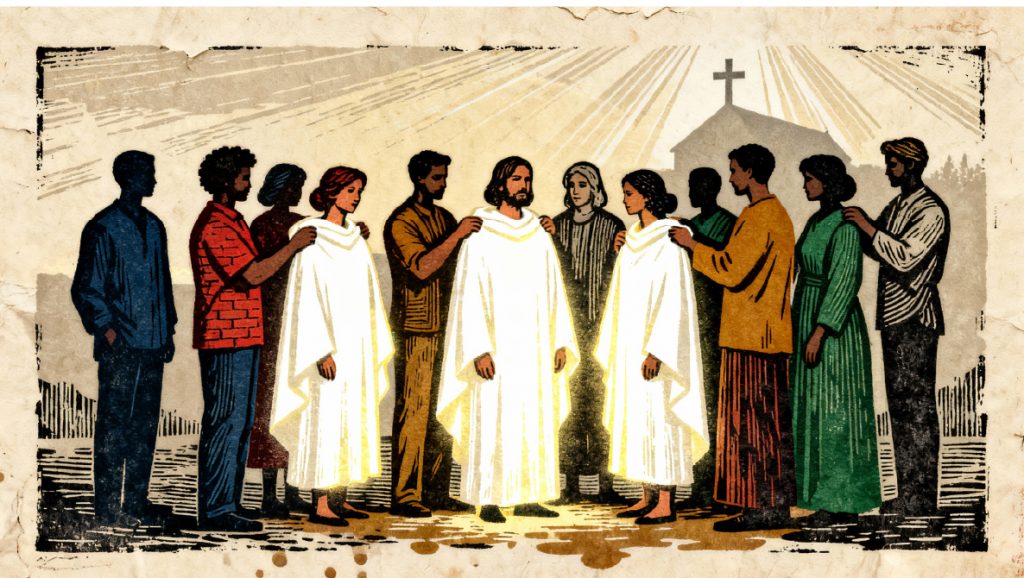
This is the second step in transformation—putting off. Think of it as removing an old, stained garment that no longer fits who you are. In Christ, we’ve outgrown the wardrobe of worldly anger and deceit.
Notice how interpersonal these sins are—they affect relationships. Paul addresses how believers speak and act toward others, reminding us that our character should reflect Christ’s love, not our old nature’s hostility.
Then Paul adds, “Do not lie to each other, since you have taken off your old self with its practices” (Colossians 3:9). Truth and integrity are essential to Christian community. Deception breaks trust; honesty builds it. The new self lives with transparency because it is shaped by the God of truth.
Reflection: Are there attitudes—bitterness, jealousy, or dishonesty—that need to be cast aside? Ask God to help you remove them so that your relationships can reflect His righteousness and peace.
III. Putting On the New Self
Though Colossians 3:5–9 focuses on what to remove, the verses that follow (v. 10–14) show what to replace it with. Paul writes, “Put on the new self, which is being renewed in knowledge in the image of its Creator.”
Transformation is not just about subtraction—removing sin—but addition—adding Christlike character. When we “put on” the new self, we actively clothe ourselves with traits such as compassion, kindness, humility, gentleness, and patience (Colossians 3:12–14).
This renewal happens as the Spirit reshapes us daily through God’s Word. Much like a refiner working with gold, God burns away impurities to reveal the beauty of holiness beneath.
Reflection: What would your spiritual wardrobe look like if it were filled with Christ’s compassion, humility, and grace? Which of these virtues does the Lord want to cultivate in you today?
Living the Transformed Life
The process Paul describes is both decisive and ongoing. Each day we choose to put to death what’s earthly and to put on what’s eternal. This is the pathway of sanctification—becoming more like Jesus.
Transformation isn’t behavior modification—it’s heart renewal. It’s allowing the Holy Spirit to invade every area of life until your thoughts, words, and actions reflect the character of Christ.
So, where do we start?
- Identify what needs to die. Confess honestly before God.
- Submit to the work of the Holy Spirit daily.
- Feed your new nature through Scripture, prayer, and fellowship.
As Paul wrote in Galatians 5:24–25, “Those who belong to Christ Jesus have crucified the flesh with its passions and desires. Since we live by the Spirit, let us keep in step with the Spirit.”
Invitation
If this message resonates with you, I invite you to join us this Sunday at Priceville Baptist Church in Tupelo, MS, for our morning worship service. We’ll continue exploring what it means to live a transformed life—one that reflects the image of Christ in every area.
Come experience worship, teaching, and a community that will walk with you as you take steps toward spiritual renewal.
Final Encouragement and Prayer
Heavenly Father, help us to put to death everything in us that dishonors You. Clothe us in Your righteousness and love, that we might live as true reflections of Christ. Empower us with Your Spirit to walk in transformation every day. In Jesus’ name, Amen.