
No Other Name: Why the Exclusivity of Jesus Changes Everything

It was bound to happen.
You cannot stand in the most public gathering place in Jerusalem and tell thousands of people that they crucified the Author of life without drawing attention from the authorities. Peter’s temple sermon — the message we studied last week — was bold, direct, and effective. Thousands believed. But the same sermon that opened hearts also provoked a confrontation.
In Acts 4:1–12, we watch Peter and John get arrested, dragged before the most powerful religious court in Israel, and asked a simple question: “By what power, or in what name, have you done this?”
Peter’s answer is one of the most important sentences ever spoken. It draws a line in the sand that the church has stood behind for two thousand years. And it forces every person who hears it to make a choice.
The Night Everything Changed
Luke tells us in Acts 4:1–3 that as Peter and John were still speaking to the crowd, the priests, the captain of the temple guard, and the Sadducees came upon them. They were “greatly disturbed” — the Greek word is diaponeomai, which carries the idea of being thoroughly annoyed, agitated to the core. These were not curious seekers. They were angry officials.
Why? Because Peter and John were “proclaiming in Jesus the resurrection from the dead.” The Sadducees denied the resurrection entirely. It was one of their defining beliefs. And here were two uneducated Galileans standing in the temple courtyard, telling thousands of people that a man the authorities had recently executed was alive again — and that His resurrection proved everything they believed was wrong.
So they did what people in power often do when the truth threatens their position: they arrested the messengers. They threw Peter and John in jail overnight.
But Luke adds a line that the authorities never saw coming: “But many of those who had heard the message believed; and the number of the men came to be about five thousand.”
You can lock up the preachers. You cannot lock up the message.
Standing Before the Most Powerful Men in the Nation
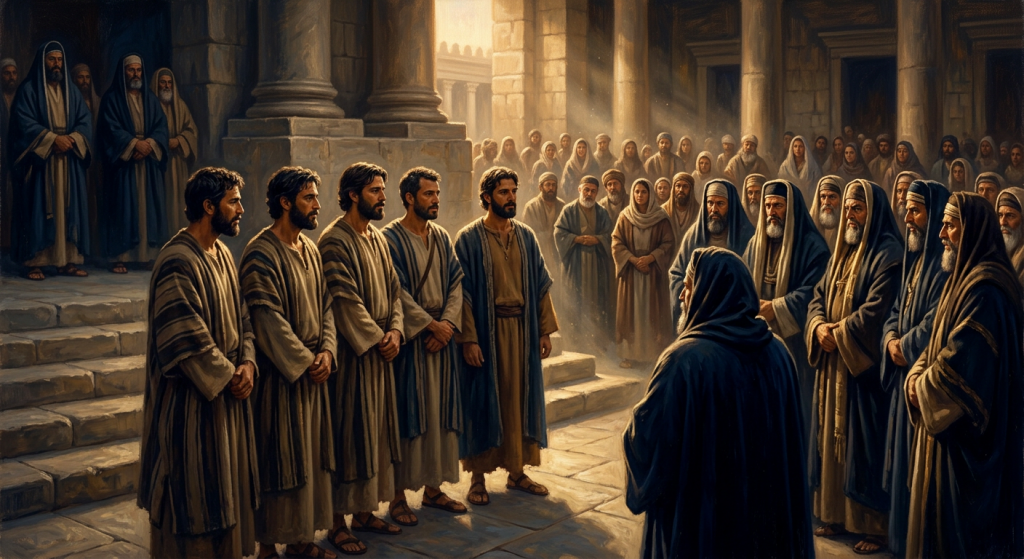
The next morning, Peter and John are hauled before the Sanhedrin — the ruling council of Israel. This was not a casual hearing. The high priest and his family were there. The elders and scribes were assembled. These were the very men who had orchestrated the trial and crucifixion of Jesus just weeks earlier.
And now two of His followers were standing in the center of the room.
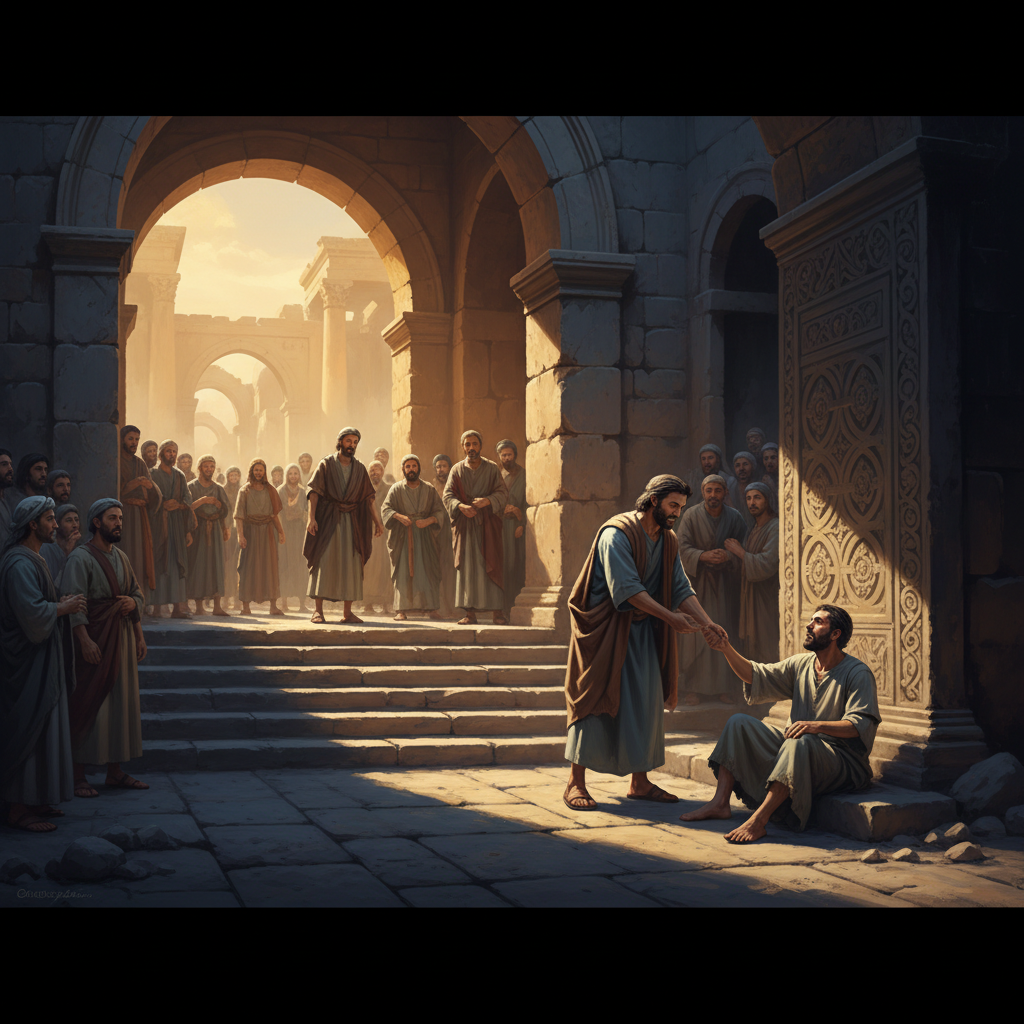
The question they asked is recorded in Acts 4:7: “By what power, or in what name, have you done this?” They were referring to the healing of the lame man at the Beautiful Gate — the miracle that started everything back in Acts 3. The council wanted to know: where did this power come from? Whose authority were these men operating under?
It was a question designed to intimidate. But it opened a door that Peter walked through without hesitation.
Peter’s Answer: Filled with the Spirit
Luke gives us a critical detail in verse 8: “Then Peter, filled with the Holy Spirit, said to them…”
This is the same Peter who denied Jesus three times in a courtyard the night before the crucifixion. The same Peter who was so afraid of a servant girl’s question that he swore he had never met Jesus. But something had changed. The Spirit had come at Pentecost, and the man who once crumbled under pressure now stood before the highest court in the land and spoke with unflinching clarity.
Peter begins with an almost ironic statement: “If we are on trial today for a benefit done to a sick man, as to how this man has been made well…” He is pointing out the absurdity of the situation. A crippled man has been healed. He is walking for the first time in his life. And the authorities are treating this act of mercy as a crime.
Then Peter delivers the core of his answer in verses 10–11: “Let it be known to all of you and to all the people of Israel, that by the name of Jesus Christ the Nazarene, whom you crucified, whom God raised from the dead — by this name this man stands here before you in good health. He is the stone which was rejected by you, the builders, but which became the chief corner stone.”
Peter quotes Psalm 118:22, a passage every member of the Sanhedrin would have known. The rejected stone has become the cornerstone — the most important stone in the entire building. Peter is telling the most powerful religious leaders in Israel that they are the builders who rejected the most important stone God ever laid. They thought they were protecting the temple. In reality, they were rejecting the foundation.
The Sentence That Changed the World
Then comes Acts 4:12 — the verse that every Christian needs to know, memorize, and be willing to stand behind:
“And there is salvation in no one else; for there is no other name under heaven that has been given among men by which we must be saved.”
This is not a suggestion. It is not one perspective among many. It is an absolute, universal, exclusive claim about the identity and authority of Jesus Christ. Peter says three things in this single verse that demand our attention.
First, salvation is in no one else. Not in a religious system. Not in moral effort. Not in sincerity. Not in any other religious figure, past or present. Salvation — rescue from sin, reconciliation with God, eternal life — is found exclusively in Jesus.
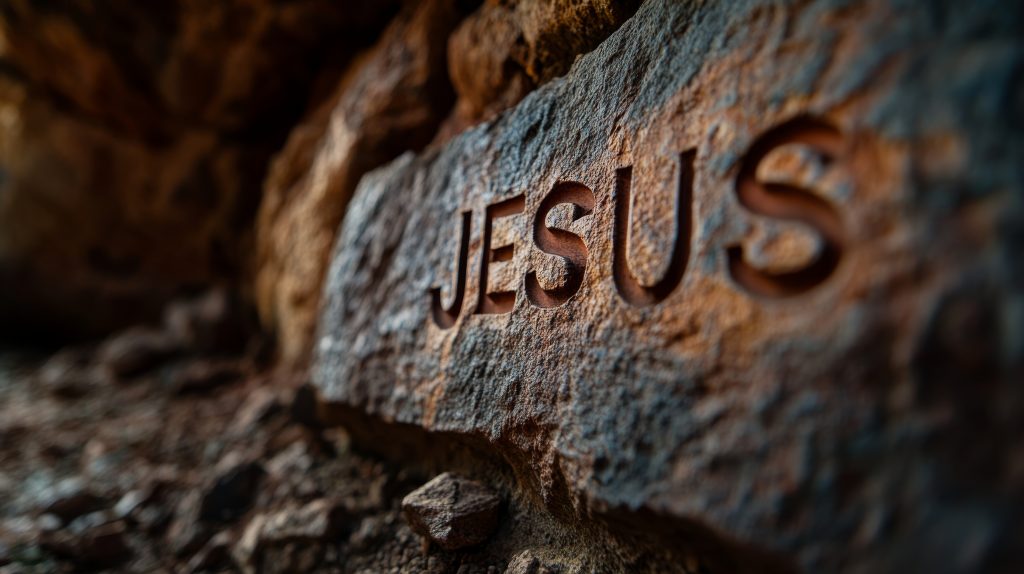
Second, there is no other name. In the ancient world, a name represented the full identity, authority, and power of a person. Peter is not talking about the syllables J-E-S-U-S. He is talking about the person behind the name — His life, His death, His resurrection, His divine authority. No other person in the history of the world has the power to save.
Third, this name has been “given among men.” Salvation is not something humanity invented or discovered. It is a gift that God gave. The name of Jesus was given to us from above — we did not earn it, and we cannot improve on it.
Why This Claim Offends — And Why It Matters
We live in a culture that celebrates tolerance above truth. The idea that one name, one person, one way could be the exclusive path to God strikes many people as arrogant, narrow, or even dangerous.
But Peter was not being arrogant. He was being honest. And there is a difference.
A doctor who tells you that only one medication can treat your disease is not being narrow-minded. She is being accurate. A pilot who tells you there is only one runway available for landing is not being intolerant. He is telling you the truth that will save your life.
Peter had watched Jesus die and rise again. He had seen a lame man healed by the power of that name. He was standing in a room full of people who had every reason to silence him — and he told the truth anyway. Not because he wanted to offend, but because he loved them enough to point them to the only name that could rescue them.
The exclusivity of Jesus is not a barrier to love. It is the foundation of love. Because if Jesus really is the only way, then the most loving thing we can do is tell people about Him — even when it costs us something.
What This Means for Ordinary People
One of the most remarkable details in this story comes in Acts 4:13. Luke tells us that the Sanhedrin observed the “confidence” of Peter and John and realized that they were “uneducated and untrained men.” The Greek words are agrammatoi and idiotai — men without formal rabbinic education, laypeople, non-professionals.
The most powerful religious leaders in Israel were being outmatched by fishermen. And the reason was not intelligence or training. The reason was the Holy Spirit.
This truth should encourage every believer who feels unqualified to share the gospel. You do not need a seminary degree. You do not need to win a debate. You need to know Jesus, be filled with His Spirit, and be willing to tell the truth about Him when God opens the door.
The Sanhedrin could see that Peter and John “had been with Jesus.” That is the only credential that matters. When you spend time with Jesus — in prayer, in Scripture, in worship — it shows. People can tell. And the confidence that comes from knowing Him is more persuasive than any argument.
A Moment for Reflection
Sit with these questions before moving on. Let them work on you.
1. Do I really believe that Jesus is the only way of salvation? Not in theory. Not as a doctrinal checkbox. Do you believe it deeply enough that it shapes how you live, how you pray, and who you share the gospel with?
2. Where has fear kept me silent? Peter once denied Jesus out of fear. After Pentecost, he proclaimed Him before the highest court in the land. What fear is keeping you from speaking the name of Jesus — fear of rejection, ridicule, or losing social standing?
3. Am I spending enough time with Jesus that people can tell? The Sanhedrin recognized that Peter and John had been with Jesus. Would the people in your life — coworkers, neighbors, classmates — recognize the same about you?
4. Have I been looking for salvation in something other than Christ? Career success, relationships, moral effort, religious ritual — none of these can save you. Are you trusting in the name of Jesus alone, or are you hedging your bets?
Suggested Scripture Readings for the Week
Monday: Acts 4:1–12 — Read the full text slowly and carefully.
Tuesday: Psalm 118:19–29 — The rejected stone becomes the cornerstone.
Wednesday: John 14:1–11 — Jesus says, “I am the way, and the truth, and the life.”
Thursday: Romans 10:5–13 — Everyone who calls on the name of the Lord will be saved.
Friday: 1 Timothy 2:1–6 — There is one mediator between God and men, the man Christ Jesus.
Saturday: Philippians 2:5–11 — God bestowed on Him the name above every name.
Sunday: Isaiah 28:14–18 — The precious cornerstone laid in Zion.
Your Call to Action This Week
1. Memorize Acts 4:12. Write it on a card. Put it in your phone. Say it out loud every morning this week. Let this verse become part of the bedrock of your faith so that when someone asks you what you believe, you have an answer ready.
2. Have one honest conversation about Jesus. Not a debate. Not a lecture. A conversation. Ask someone what they believe about God, listen carefully, and then share what Jesus means to you. Let the Spirit lead. You do not have to have all the answers. You just need to know the Name.
3. Examine your own confidence. Peter’s boldness came from the Holy Spirit, not from his personality. This week, ask God to fill you with the same Spirit-given confidence. Pray specifically: “Lord, give me boldness to speak Your name without apology.”
4. Stop hedging your bets. If you have been placing your hope in anything alongside Jesus — your own goodness, your church attendance, your moral record — lay those down this week. Salvation is in no one else. Trust the Name alone.
You’re Invited
Join us this Sunday, May 3, 2026, at 11:00 AM as Pastor Chris Carter continues our journey through the book of Acts with “No Other Name: Salvation in Christ Alone” from Acts 4:1–12.
Priceville Baptist Church 713 North Feemster Lake Road | Tupelo, Mississippi 38804
Whether you’re a lifelong believer or someone who has never stepped foot in a church, you are welcome here. The same name that healed a lame man and silenced a courtroom is still powerful today. Come and hear it for yourself.